
RECMARINE MIYAKOJIMA
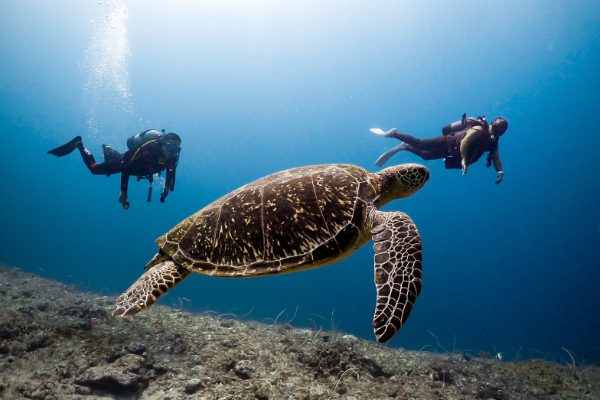
A green sea turtle swimming ahead of a diver
JOURNAL 30 Jul 2026 — Wildlife

Where to meet sea turtles in Miyakojima, and the hours that raise your odds

On the right day you can meet turtles several times in a single outing here. Rather than leaving it to luck, it helps to know where they are and what they are doing.

The turtles around Miyakojima are mainly green turtles and hawksbills. Both must surface to breathe, and both feed in fairly predictable places. Understanding those two facts alone lifts your chances dramatically.

What makes a place hold turtles

Green turtles graze on seagrass, so they gather in shallow water where grass grows on white sand. Hawksbills eat creatures living in cracks in rock and coral, so you find them along reef edges and around bommies. In other words, look for the feeding grounds rather than the prettiest coral.
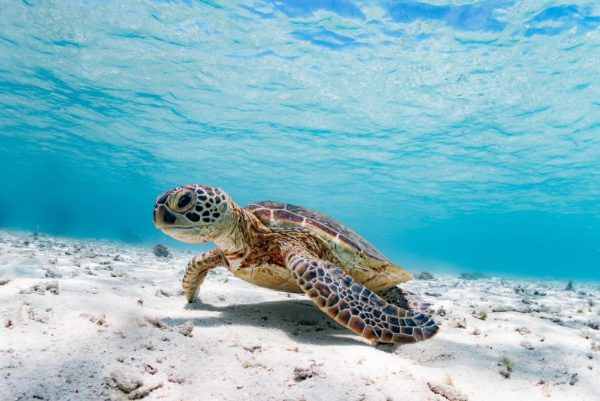
SEAGRASS White sand at 3–8 m with patches of seagrass. A feeding green turtle will stay a long time, largely indifferent to people.
REEF EDGE Edges with moving water are hawksbill highways. They ride the current, so the right move is to stay still and wait.
RESTING SPOTS Turtles also sit motionless under rock or in the shade of a ledge. We keep our distance from resting animals and watch from away.
A green sea turtle over a white sand bottom
The boundary between white sand and seagrass — the easiest place to find a green turtle.

The hours that raise your odds

We recommend the first trip of the morning. There are few boats, it is quiet underwater, and the turtles feed without being wary. The wind has not yet risen, so the surface is settled and snorkelling itself is easier. Afternoons bring stable warmth and light, but the water gets busy — the same spot gives you a different kind of encounter.

As for tides, the window just after high water as it begins to fall is the one to aim for. Turtles that came into the shallows start moving, which brings them into depths where they are easy to watch.

GUIDE'S NOTE Chase a turtle and it will always leave. Don't cut across its path — hold your breath and float quietly. That alone is often enough for one to come to you.

What we ask of you

Don't touch, don't block their path, don't use flash. Turtles have to surface to breathe, so a crowd directly above them prevents that. Keep the space above them clear even when taking photos. Your guide will run through all of this on board.
RELATED — JOURNAL
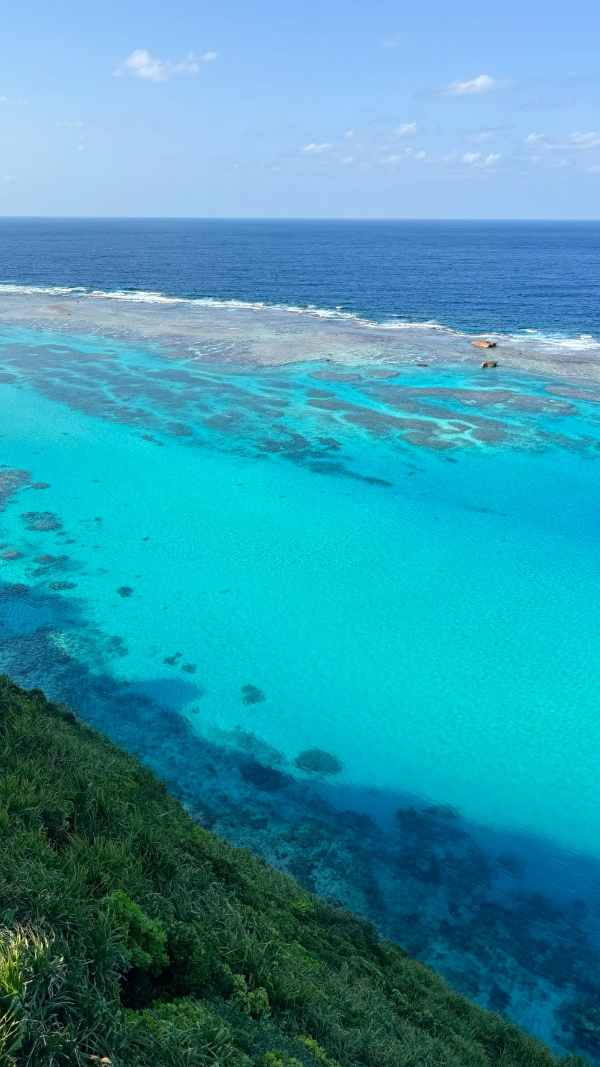
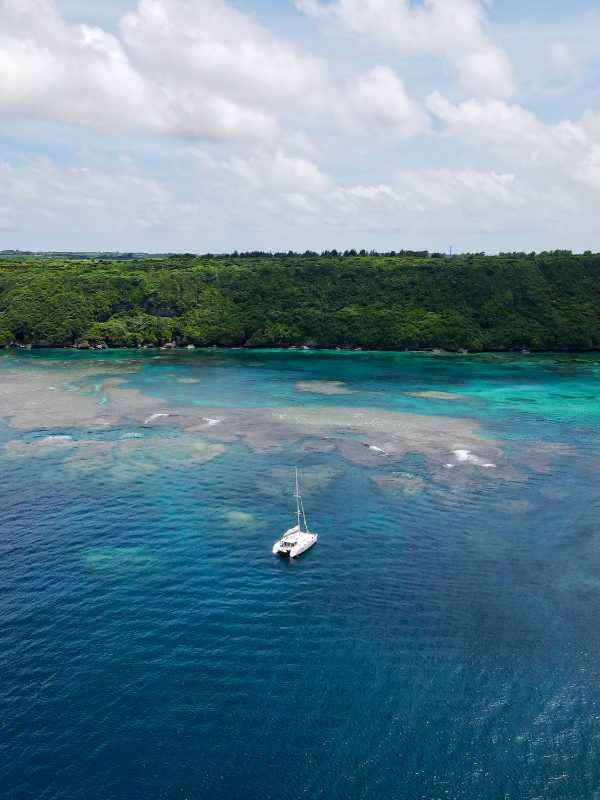
The August sea and reef edge in Miyakojima 14 Aug 2026 — Sea conditions August sea conditions in Miyakojima, and how to read the days you can reach Yabiji A private catamaran anchored in a Miyakojima cove 2 Jul 2026 — Rates What a private charter in Miyakojima costs, and how to read a quote A guest snorkelling over the coral reef CHARTER What a private charter includes
RECMARINE MIYAKOJIMA
日本語
A green sea turtle swimming ahead of a diver
JOURNAL 30 Jul 2026 — Wildlife

Where to meet sea turtles in Miyakojima, and the hours that raise your odds

On the right day you can meet turtles several times in a single outing here. Rather than leaving it to luck, it helps to know where they are and what they are doing.

The turtles around Miyakojima are mainly green turtles and hawksbills. Both must surface to breathe, and both feed in fairly predictable places. Understanding those two facts alone lifts your chances dramatically.

What makes a place hold turtles

Green turtles graze on seagrass, so they gather in shallow water where grass grows on white sand. Hawksbills eat creatures living in cracks in rock and coral, so you find them along reef edges and around bommies. In other words, look for the feeding grounds rather than the prettiest coral.

SEAGRASS White sand at 3–8 m with patches of seagrass. A feeding green turtle will stay a long time, largely indifferent to people.
REEF EDGE Edges with moving water are hawksbill highways. They ride the current, so the right move is to stay still and wait.
RESTING SPOTS Turtles also sit motionless under rock or in the shade of a ledge. We keep our distance from resting animals and watch from away.
A green sea turtle over a white sand bottom
The boundary between white sand and seagrass — the easiest place to find a green turtle.

The hours that raise your odds

We recommend the first trip of the morning. There are few boats, it is quiet underwater, and the turtles feed without being wary. The wind has not yet risen, so the surface is settled and snorkelling itself is easier. Afternoons bring stable warmth and light, but the water gets busy — the same spot gives you a different kind of encounter.

As for tides, the window just after high water as it begins to fall is the one to aim for. Turtles that came into the shallows start moving, which brings them into depths where they are easy to watch.

GUIDE'S NOTE Chase a turtle and it will always leave. Don't cut across its path — hold your breath and float quietly. That alone is often enough for one to come to you.

What we ask of you

Don't touch, don't block their path, don't use flash. Turtles have to surface to breathe, so a crowd directly above them prevents that. Keep the space above them clear even when taking photos. Your guide will run through all of this on board.

RELATED — JOURNAL
The August sea and reef edge in Miyakojima 14 Aug 2026 — Sea conditions August sea conditions in Miyakojima, and how to read the days you can reach Yabiji A private catamaran anchored in a Miyakojima cove 2 Jul 2026 — Rates What a private charter in Miyakojima costs, and how to read a quote A guest snorkelling over the coral reef CHARTER What a private charter includes